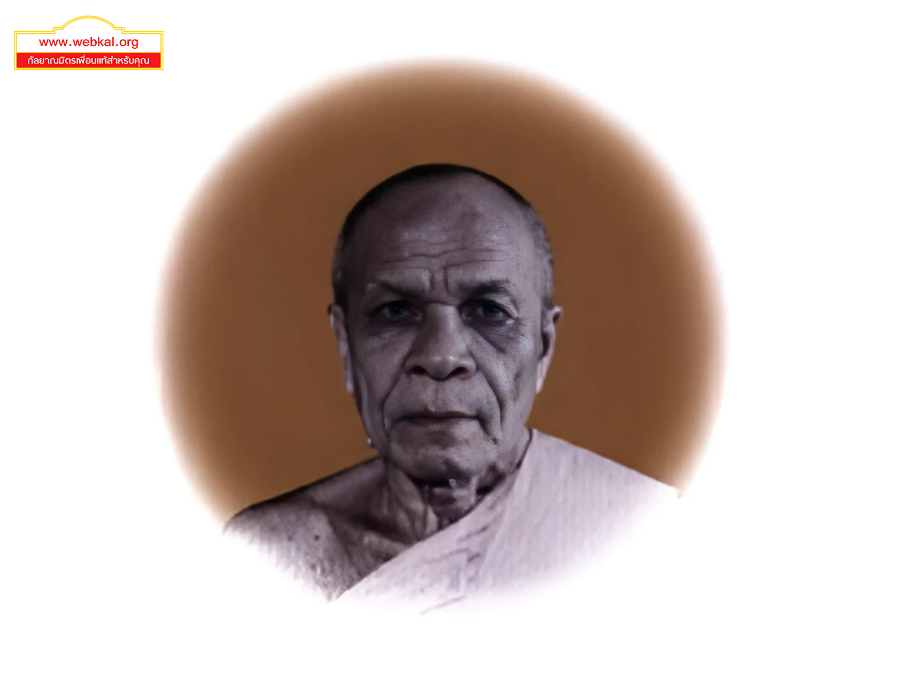
1884
Luangpu was born Sodh Mikaewnoi on October 10, 1884, to the family of Ngeun and Sutjai Mikaewnoi, a rice merchant in Songpinong, Suphanburi, 60 miles west of Bangkok.
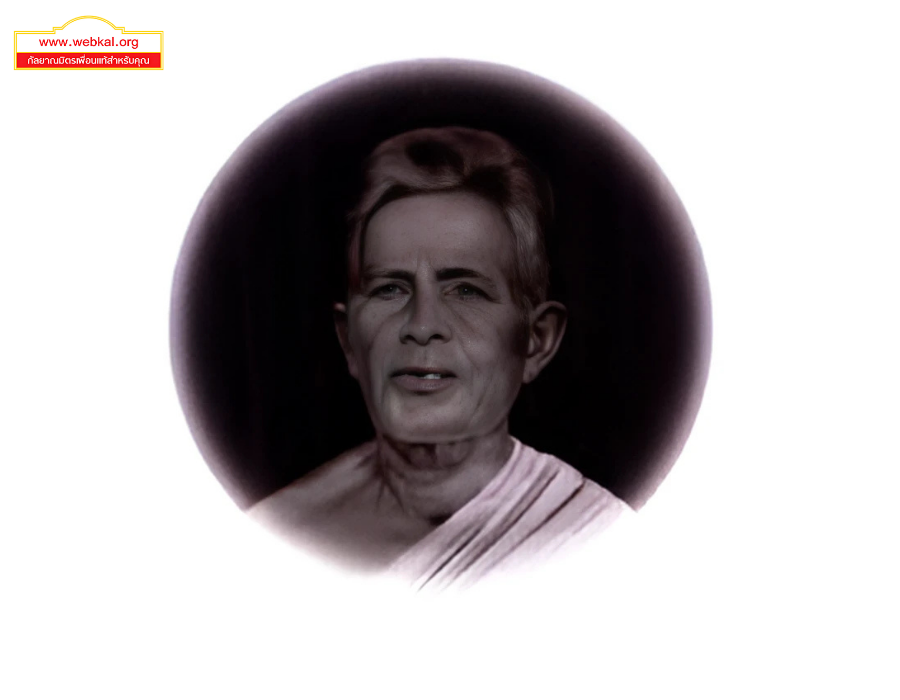
Sutjai Mikaewnoi, Luangpu's mother.Sodh was the second born of five siblings with an older sister, Dha, and three younger brothers, Sai, Phook and Samruam in order of birth.
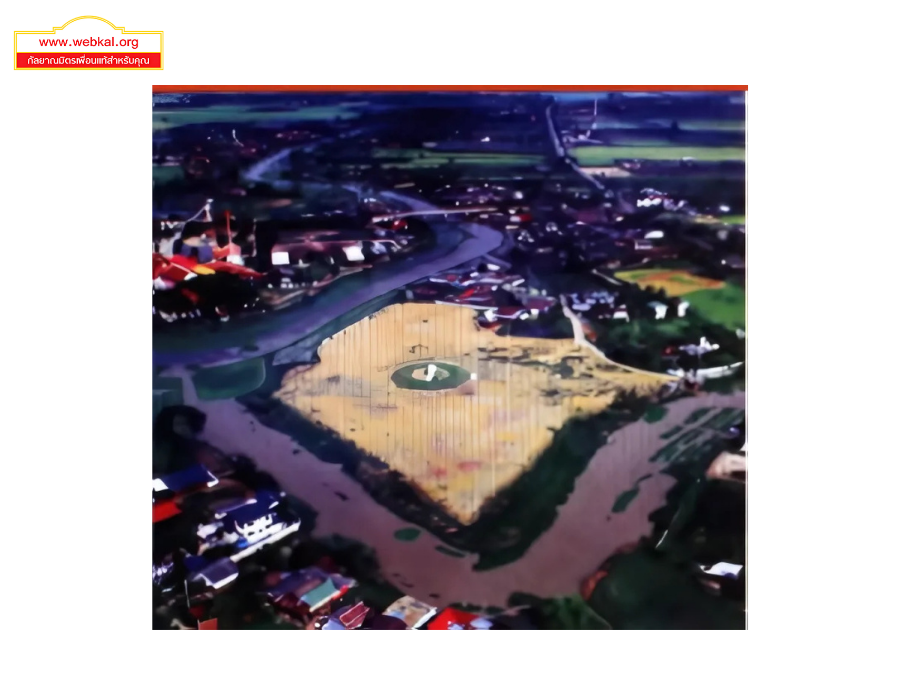
Aerial shot of Songpinong area.The land where Luangpu's house was located (at center) resembles the shape of two lotus buds joined together, thus the name 'Lotus Land' which it is now called.
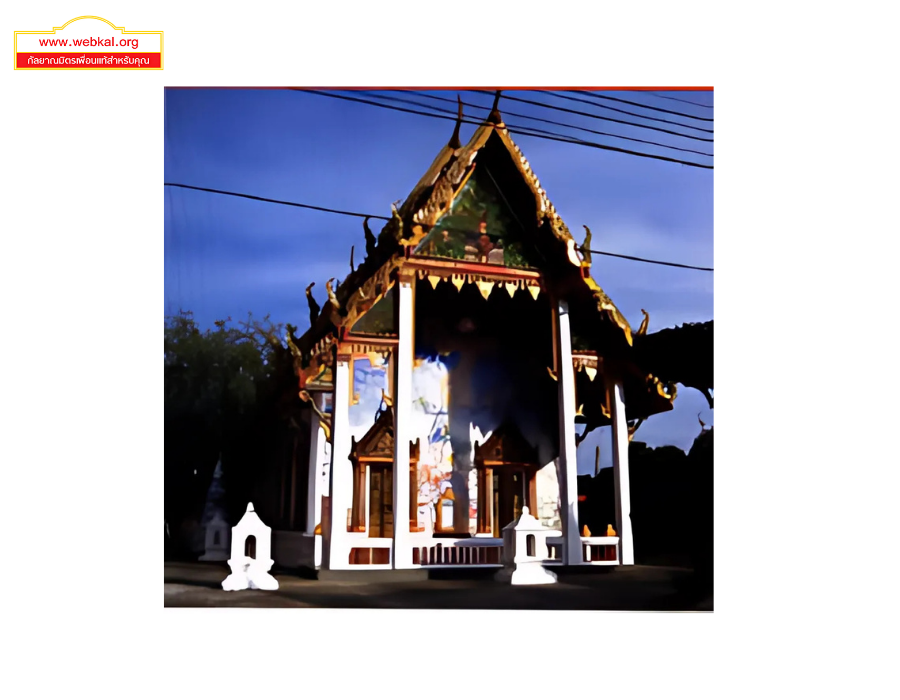
1893
At age nine, Sodh began formal education with his uncle, a monk at Wat Songpinong. In those days, before the establishment of state schools, monks were the only teachers, and Buddhist temples functioned as schools for people in the community.
1898
Sodh was fourteen when his father passed away.
He took over his father's rice trading business and worked hard to grow it.
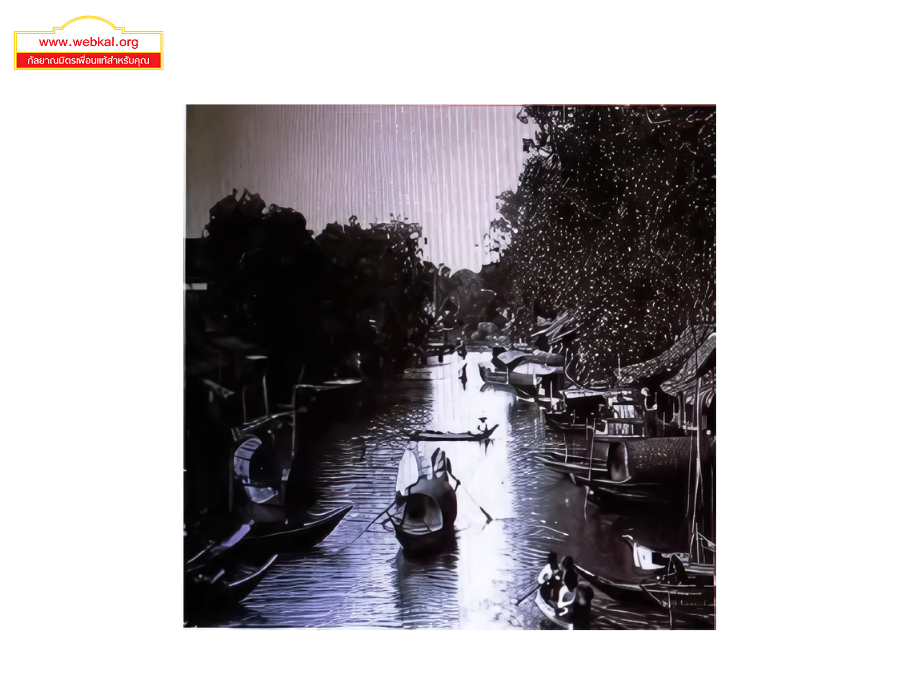
Boats were the principle means of transportation in Siam during those days.
1903
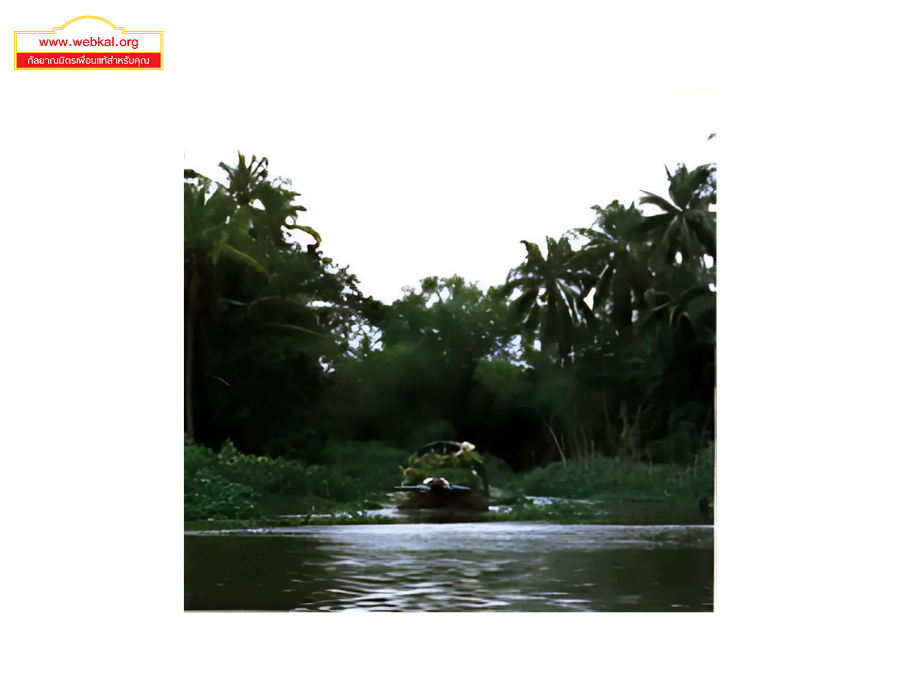
On one trading trip Sodh sold all his rice in Bangkok and headed home. Avoiding the treacherous waters of the main river, Sodh took a detour through Klong Bang-Eetan, a waterway infested with pirates and bandits. Although he passed through the waterway without incident, the episode left him with a deep sorrow for his fellow men. This was the turning point in his life. He made a resolution to become a monk.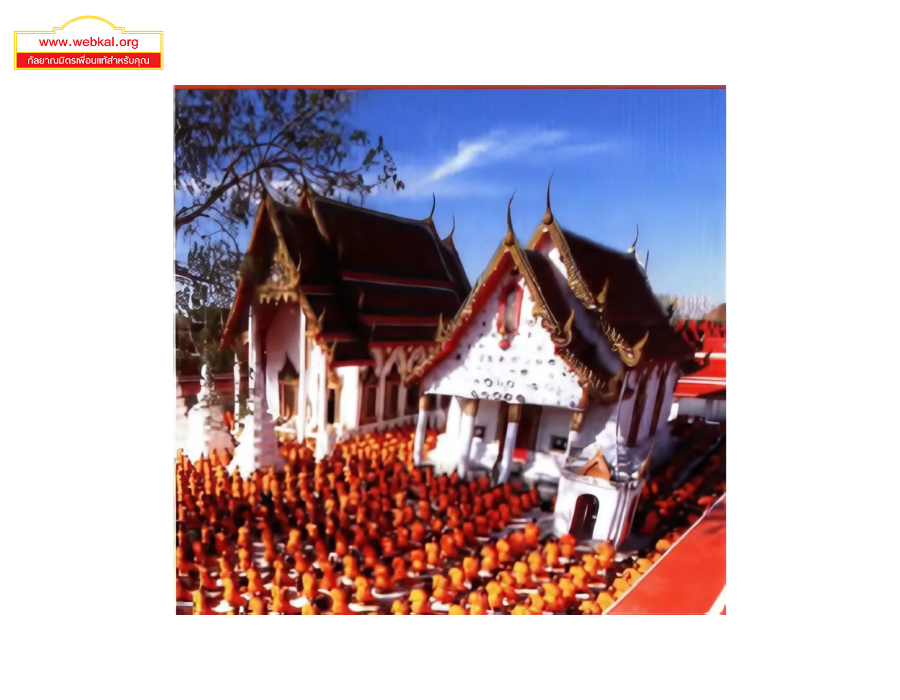
1906
Sodh was ordained at Wat Songpinong at the age of twenty-two. His monastic name was 'Candasaro Bhikkhu', which means "the One with a Bright Radiance like the Moon".
1907
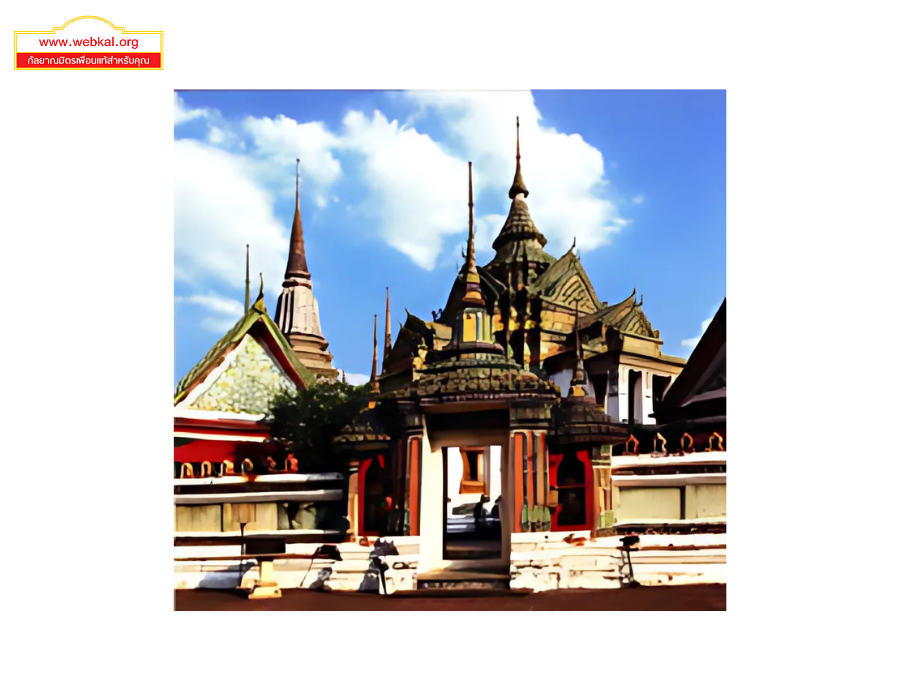
Candasaro left Wat Songpinong to further his scriptural studies at Wat Phra Chetuphon (also known as Wat Pho) in Bangkok, one of the largest and oldest temples in Thailand, where he took residence for many years.
1907
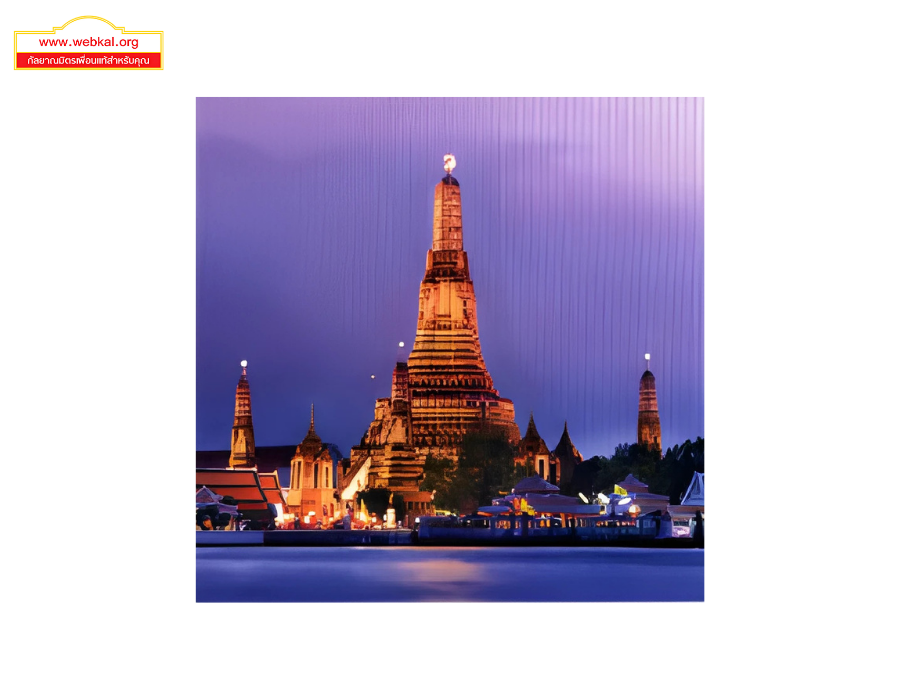
Aside from studying at Wat Phra Chetuphon, his home temple, Candasaro had to travel to several other temples to attend classes. Every morning after breakfast he would cross the Chao Phraya River to study at Wat Arun (picture). Other temples that Candasaro went to attend classes were Wat Mahathat, Wat Suthat, and Wat Sampleum.
1917
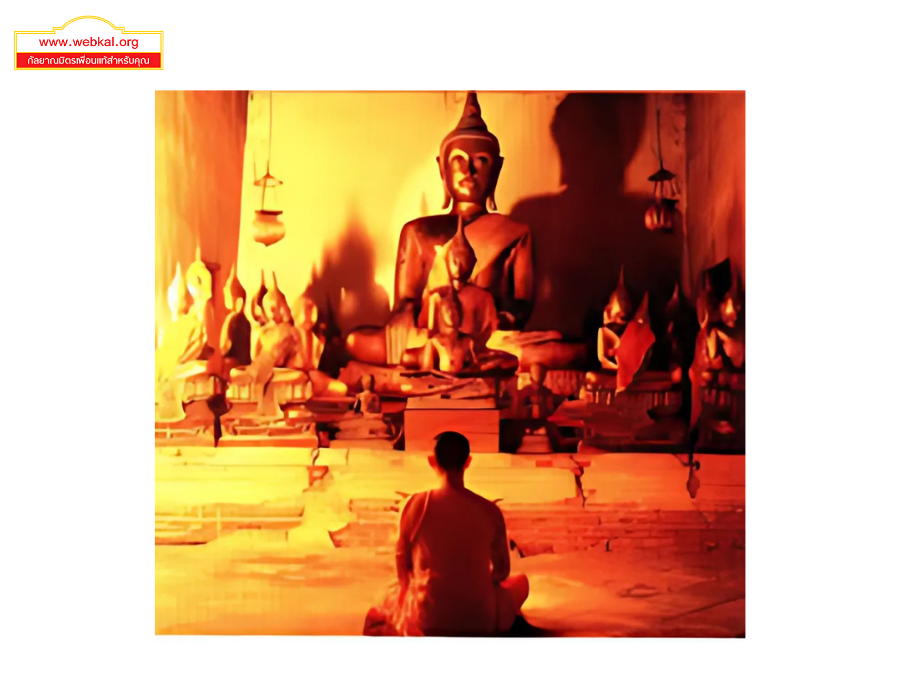
After eleven years of meditation practice with some of the best Thailand had to offer, Candasaro proceeded to pursue meditation on his own. On the 15th day of the 10th waxing moon of the year 1917, Candasaro finally attained Dhammakaya, a supramundane level of meditative attainment, at the main shrine hall of Wat Bote-bon, Bangkuvieng, Nonthaburi.
1917
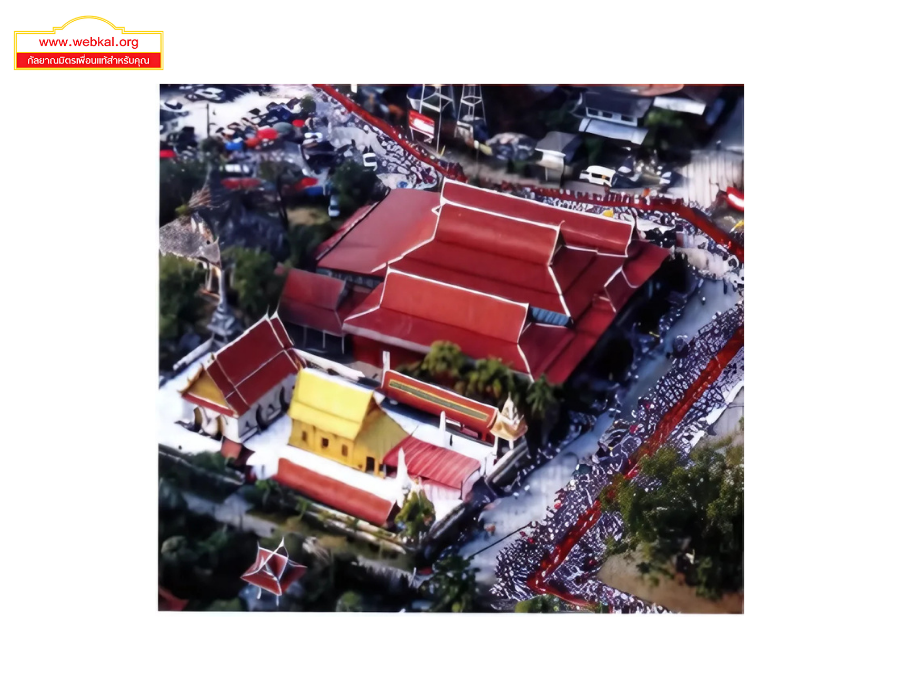
After attaining Dhammakaya, Candasaro moved to Wat Bang-pla to teach meditation. Four months later, three monks and four lay people attained Dhammakaya following his footsteps.
1917
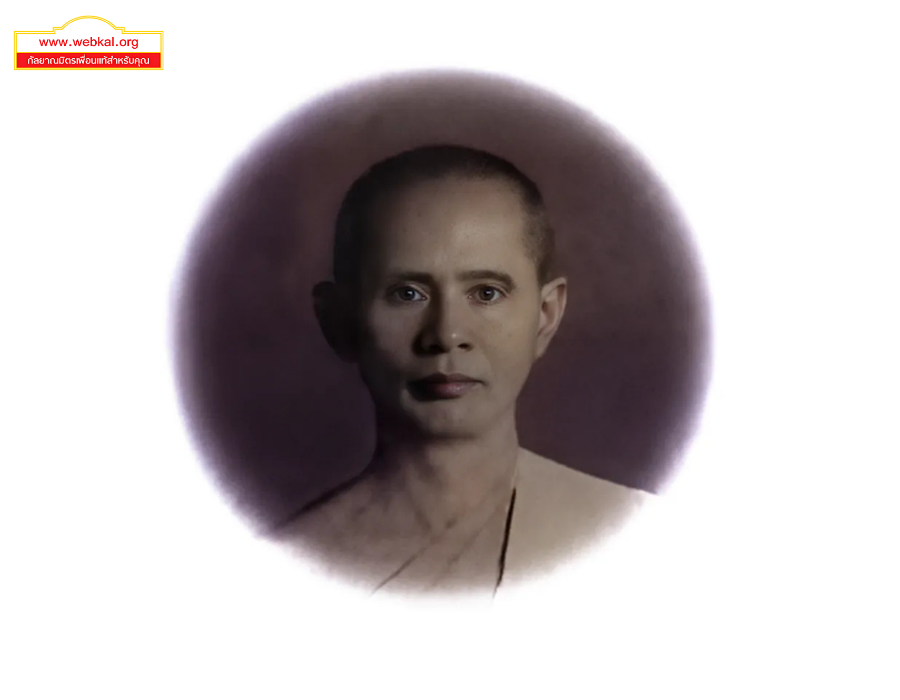
Among the three monks who attained Dhammakaya at Wat Bang-pla was one Venerable Sangvarn who followed Candasaro to Wat Paknam where he became abbot. Venerable Sangvarn subsequently taught Dhammakaya meditation at Wat Bang-lane and later founded Wat Phasukkaram in Nakorn Pathom where he was the abbot.
1918
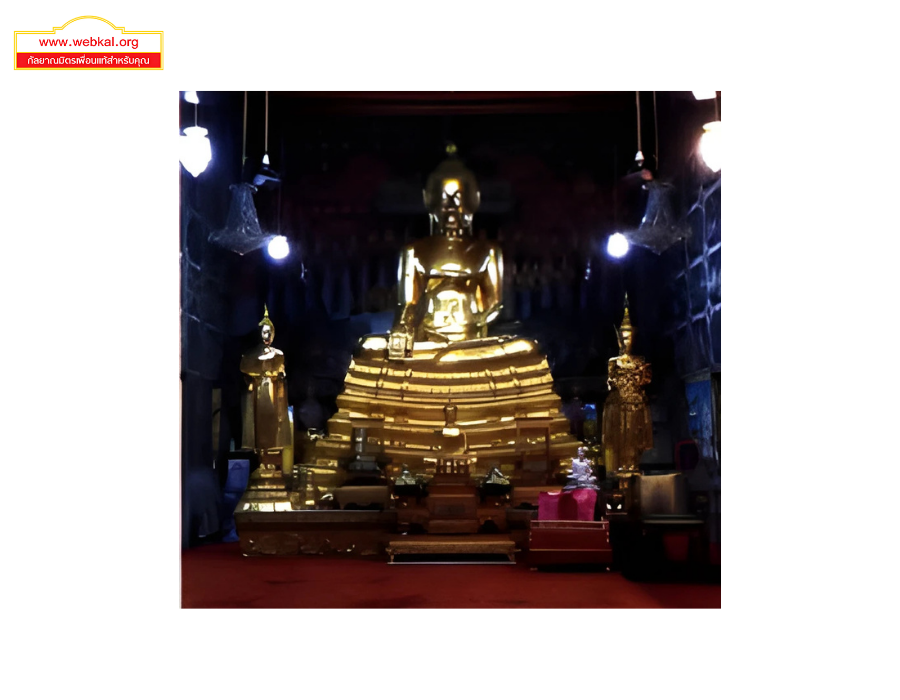
Candasaro assumed the position of Abbot at Wat Paknam Bhasicharoen. The temple was half-deserted and in dissolute shape when Candasaro took over as abbot. Resident monks were lax in monastic discipline and meditation practice. Gangs of rowdy children ran wild in the temple, loitering its surrounding and causing troubles. Neighbors were also causing problems.
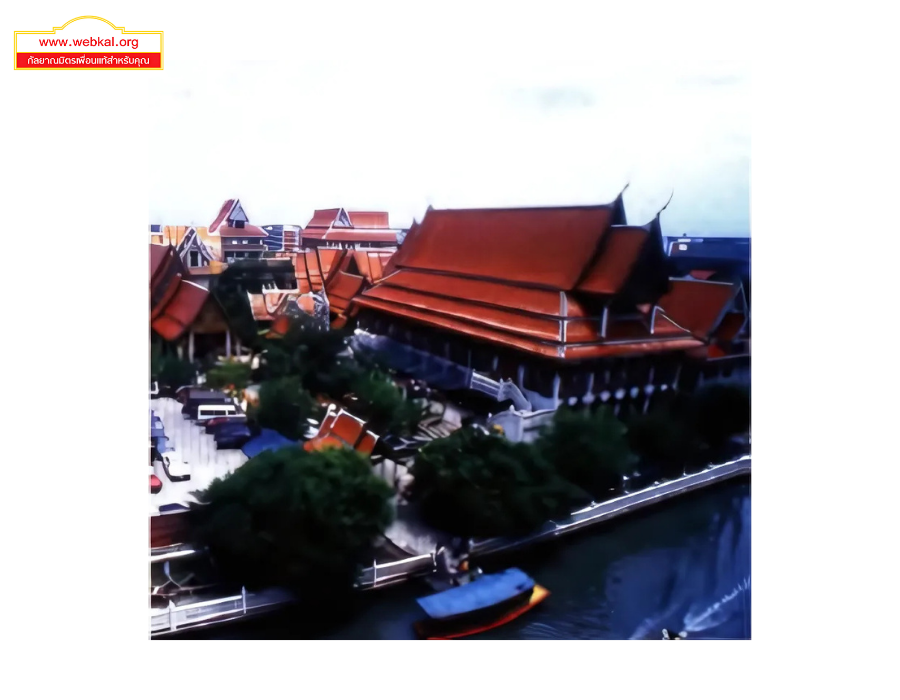
Under Candasaro's leadership, Wat Paknam grew from a wildly disordered temple to becoming one of the most well-organized, well-disciplined, well-respected temples in Thailand. The number of monks and novices grew from the original thirteen to one thousand. Wat Paknam became one of the most recognized Buddhist institutions in the nation. Candasaro became well-known as Luangpor Wat Paknam.
1935
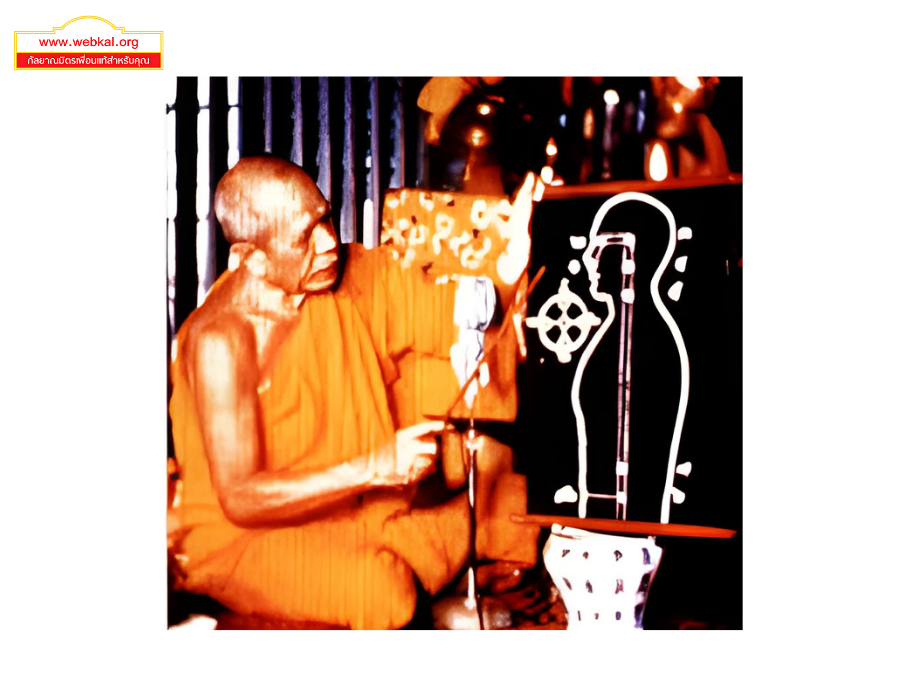
Established advanced Dhammakaya meditation workshop reserved for skilled meditators. Meditation was performed continuously in shifts, twenty-four hours a day, seven days a week, non-stop.
1937
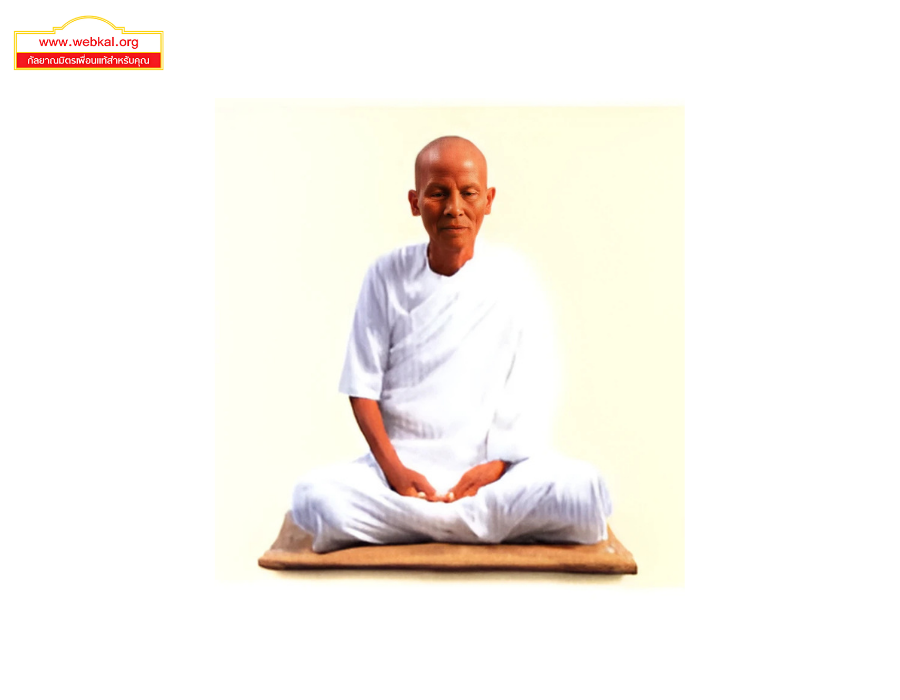
Chand Khonnokyoong became Luangpu's disciple. After Luangpu passed away she taught meditation at Wat Paknam. Chand dedicated her life to carrying on Luangpu's mission. In 1970, she founded Wat Phra Dhammakaya which later evolved to become one of the largest Buddhist temples in the world.
1944
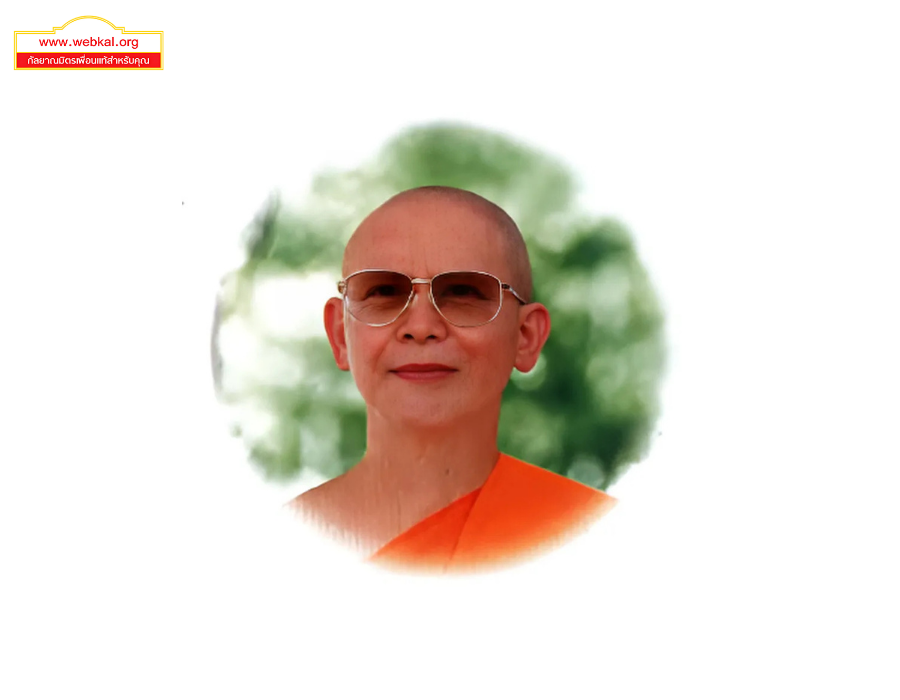
Chaiyaboon Suddhipol, current Abbot of Wat Phra Dhammakaya, was born. Chaiyaboon met Khun Yai Chand in 1963 and studied meditation with her. After his graduation from Kasetsart University in 1969, Chaiyaboon became ordained at Wat Paknam. His monastic name was "Dhammajayo Bhikkhu". His followers call him Luangpor Dhammajayo.
1950
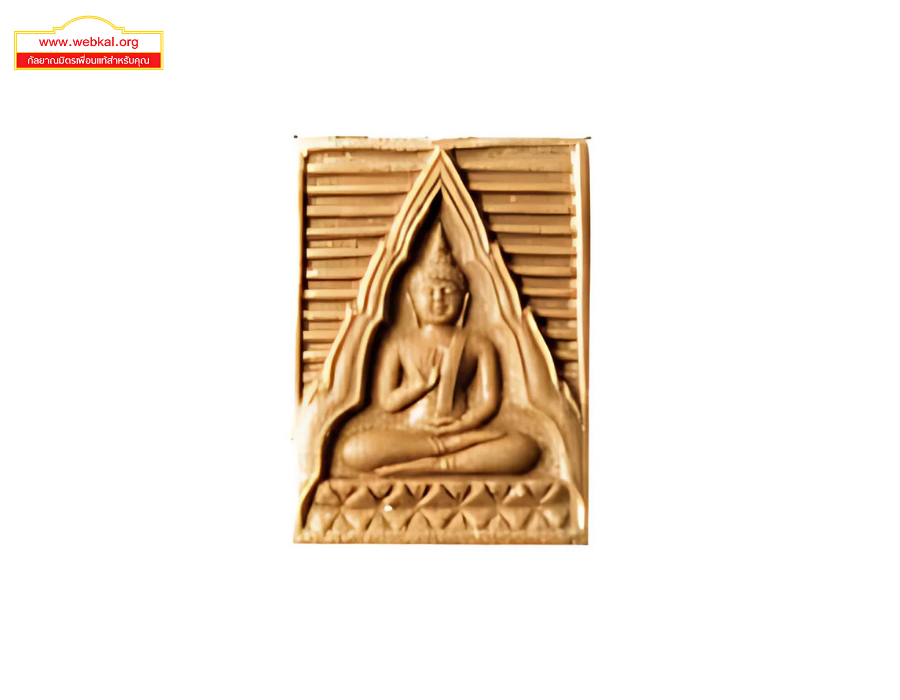
Luangpu produced the first batch of amulets, numbering 84,000, to raise funds for the construction of a new building for scriptural studies. Words of miracles associated with these amulets spread across the country. The amulets became very popular. In 1951 and again in 1956, a second and third batch, numbering 84,000 each, were produced.
1950
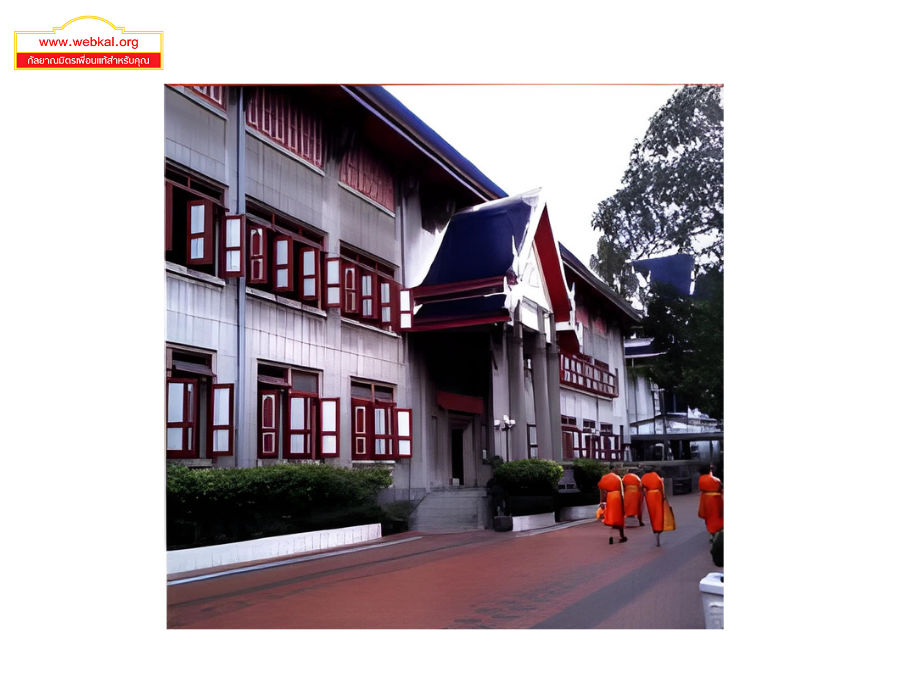
A new building was constructed for the Academy for Scriptural Studies at Wat Paknam. The building was eventually used by one thousand monks and novices. It became the nation's biggest school for scriptural studies.

1953
Luangpu sent a monk from Wat Paknam, Thitavedo Bhikkhu, to propagate Buddhism in England — first Thai monk ever to do so in Europe. He was introduced by the Buddhist Society of London to a teacher from London University, Professor William Purfurst, who was interested in ordaining to become a Buddhist monk.
1954
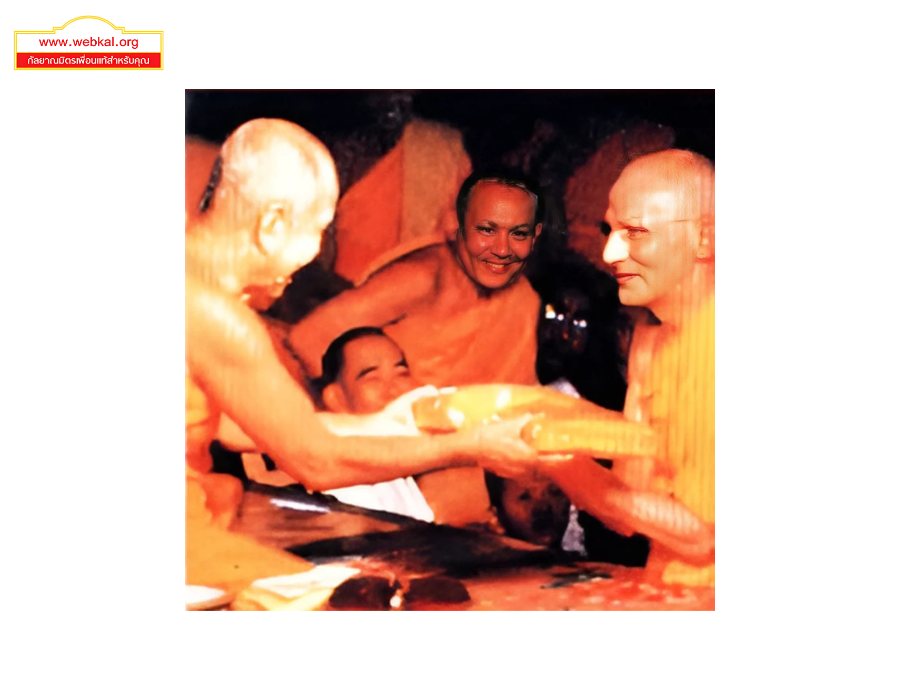
Prof. William Purfurst came to study meditation with Luangpu. He later became ordained at Wat Paknam — first European ever to ordain in Thailand. Luangpu sent him back to England to teach. He later set the foundations for the English Sangha Trust to support the work of the monastic community in England. Two years later he brought three Europeans to be ordained at Wat Paknam.
1957
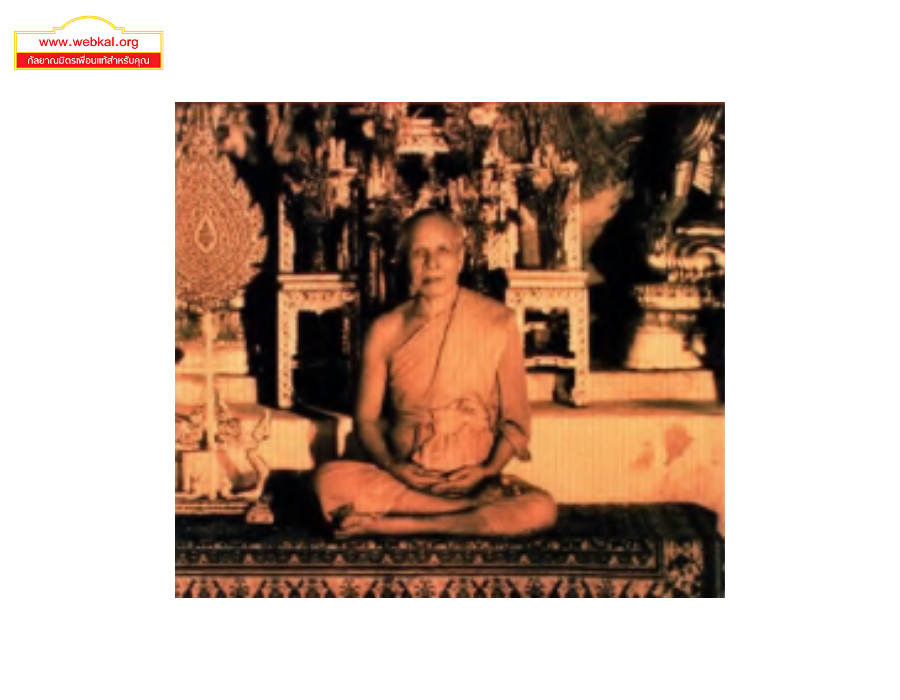
Luangpu earned the monastic rank of Phramongkolthepmuni.
1959
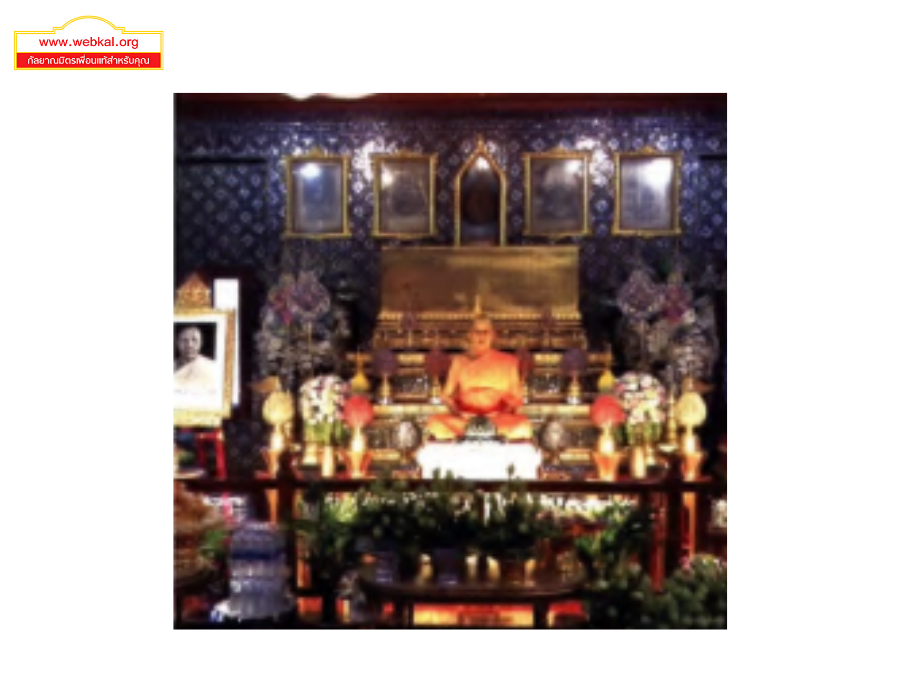
Luangpu passed away on February 3, 1959 at the age of seventy-five, ending a monastic life of fifty-three years. His embalmed body was placed in a gold coffin donated by the Royal Palace and remains at Wat Paknam to this day. Every year thousands of people come to visit Wat Paknam and pay homage to Luangpu.
1994
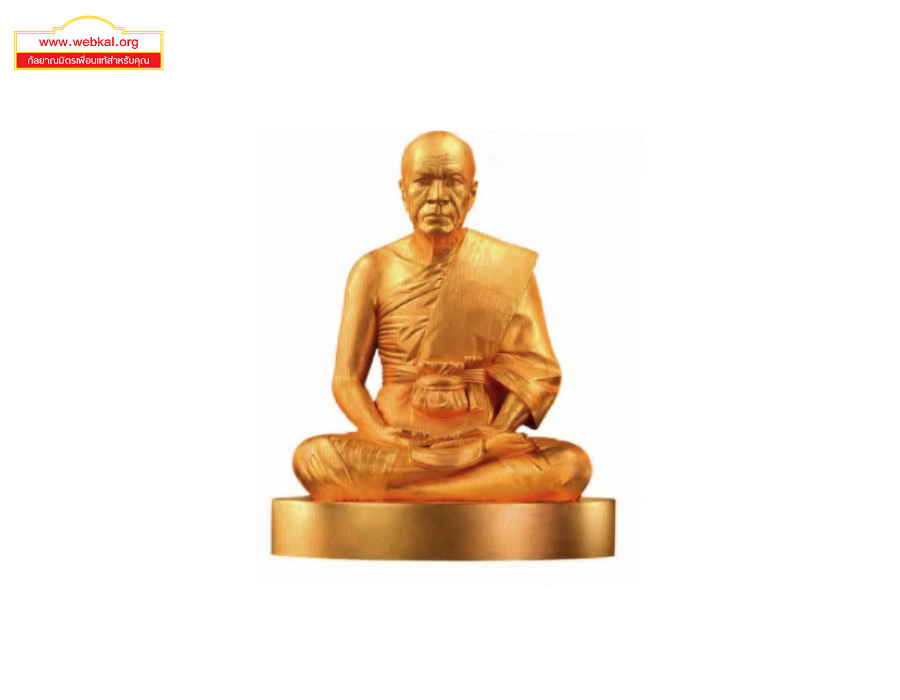
On Magha Puja Day, March 5, 1994, the first solid gold statue of Luangpu, one and a half times his actual size and weighing one ton, was cast at Wat Phra Dhammakaya to honor Luangpu. The statue is enshrined inside the Memorial Hall of Phramongkolthepmuni located at Wat Phra Dhammakaya. By December 2014, six more solid gold statues of Luangpu have been cast.